

In the daily-use ceramics industry, "pottery," "stoneware," and "porcelain" constitute the three most common fundamental classifications. For buyers, brand owners, and cross-border e-commerce sellers, understanding the essential differences among these three categories is crucial; it not only facilitates product selection decisions but also directly impacts product positioning, cost structures, market pricing, and the overall consumer experience.
With 20 years of experience in ceramic exports, Zibo Vanguard has continuously refined its operations to establish a unique production process and management model. By seamlessly blending cultural heritage with modern ceramic craftsmanship, the company creates exceptional products distinguished by unique technical execution, superior quality, and distinctive character.
The Core Logic of Ceramic Classification
The classification of ceramics is primarily based on three key factors:
- Raw material composition
- Firing temperature
- Degree of sintering (density and water absorption)
Varying material compositions and firing processes directly influence a product's strength, translucency, water absorption, and functional performance, thereby giving rise to distinct categories of ceramic products.
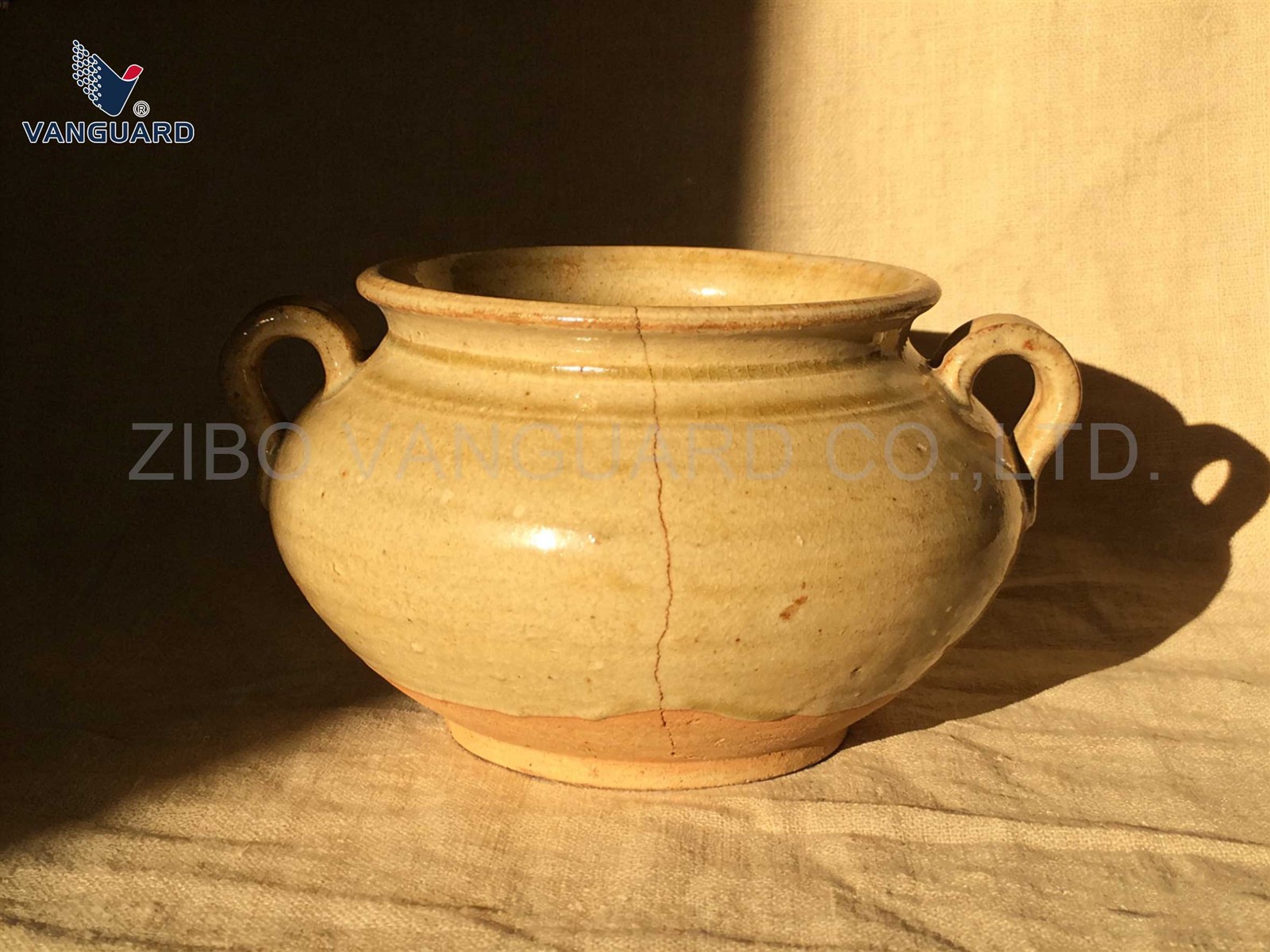
Pottery refers to objects formed from a clay body-shaped through methods such as hand molding, wheel throwing, or press molding-and subsequently fired at high temperatures ranging from 800°C to 1000°C. The resulting body is opaque, porous, and absorbent; when tapped, it produces a dull, indistinct sound.
Pottery can be broadly categorized into fine pottery and coarse pottery; it may be white or colored, and either unglazed or glazed. Specific varieties include gray pottery, red pottery, white pottery, painted pottery, and black pottery. These artifacts are imbued with a strong sense of everyday life and possess a distinctive artistic style.
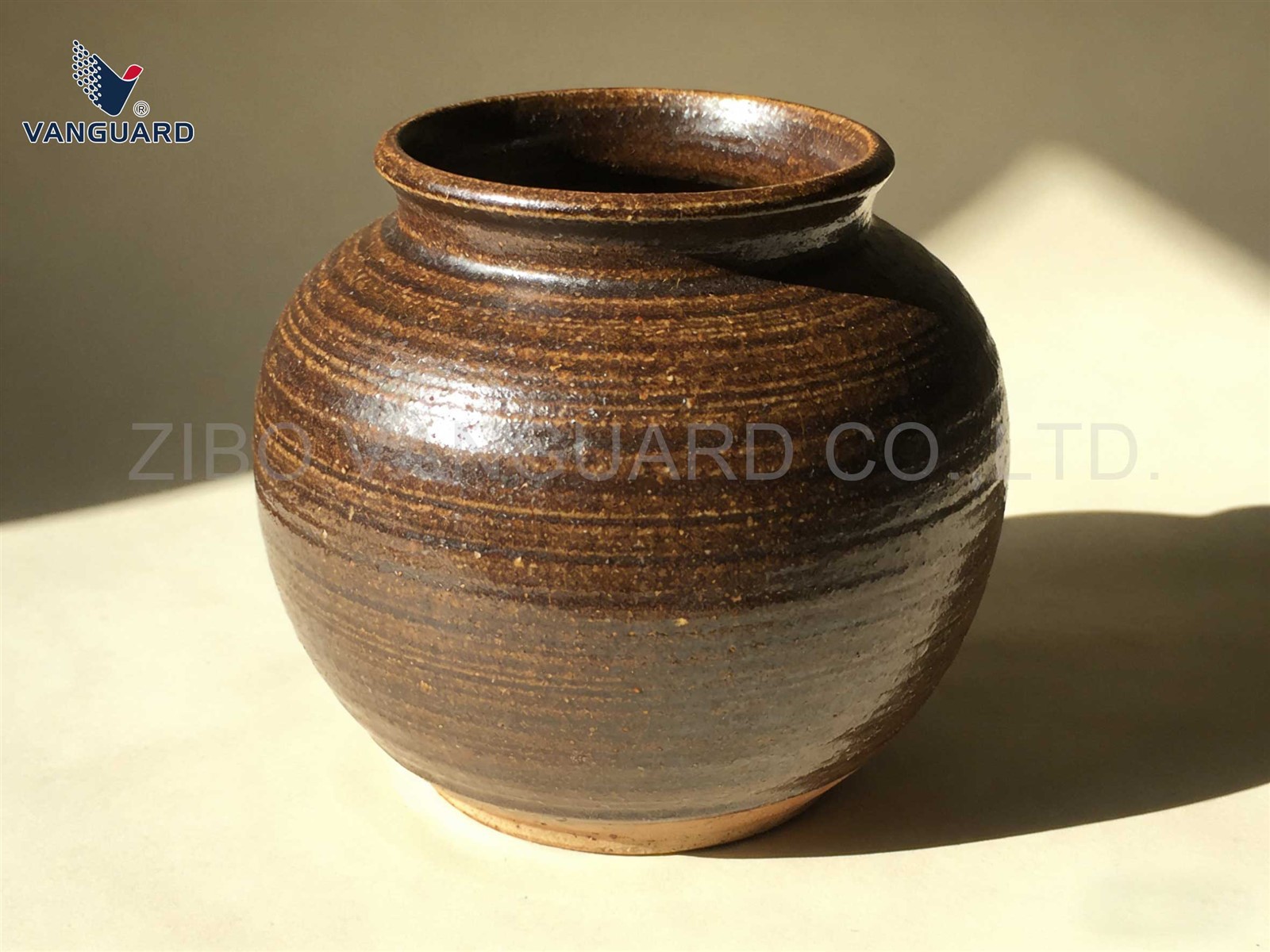
Stoneware is a type of ceramic product that occupies an intermediate position between pottery and porcelain. It possesses a dense, hard texture similar to that of porcelain and typically appears in shades of brown, tan, or grayish blue. However, unlike porcelain, stoneware has not undergone complete vitrification; consequently, it retains a water absorption rate of less than 2% and remains opaque. While some varieties are white, the majority are produced in various colors after firing; therefore, the requirements for raw material purity are not as stringent as those for porcelain, making material sourcing relatively easy.
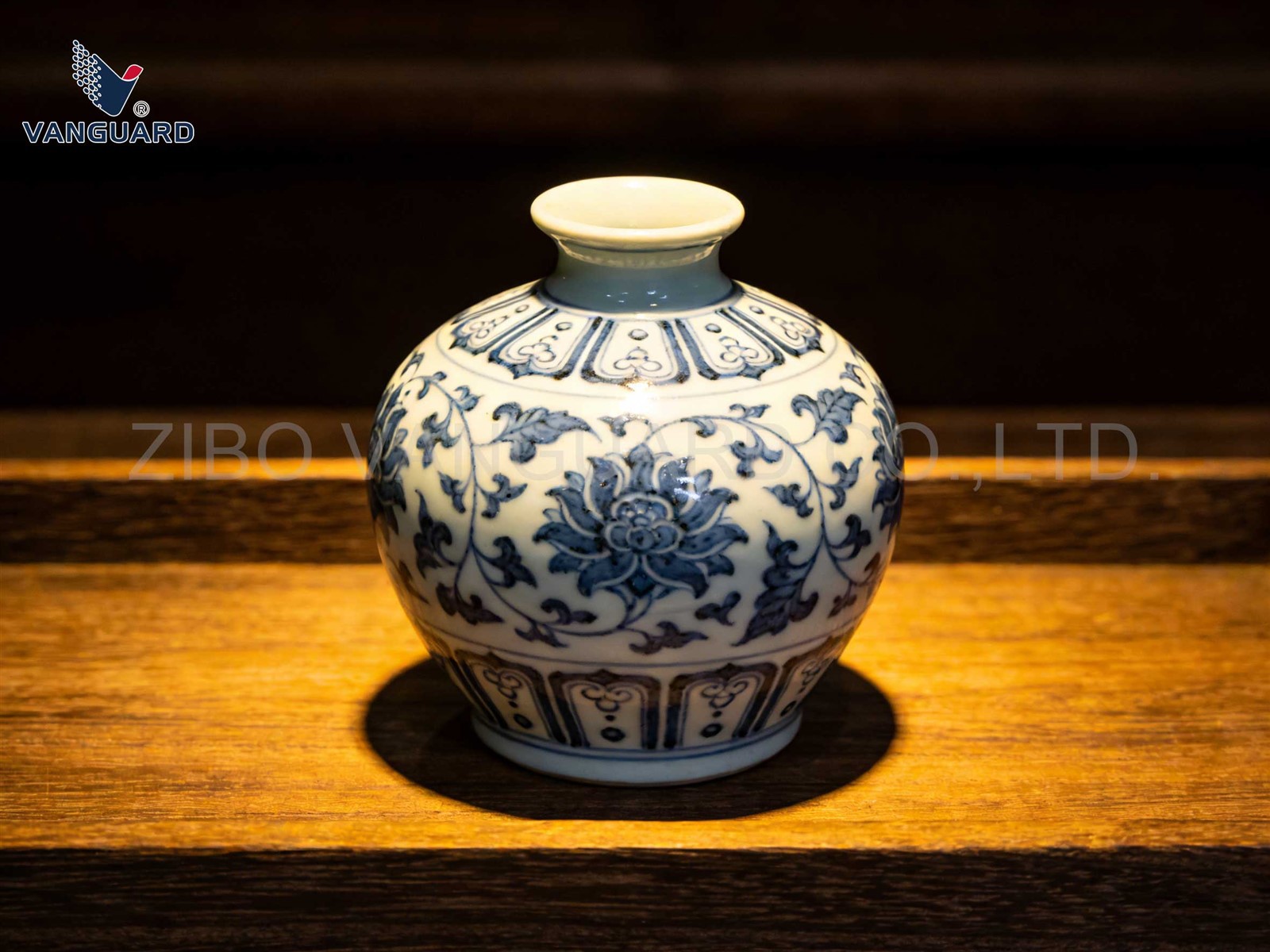
Porcelain is a type of ware composed of materials such as porcelain stone, kaolin, quartz, and mullite, typically featuring an exterior finished with a vitreous glaze or decorative painting. The formation of porcelain involves firing in a kiln at extremely high temperatures (approximately 1280°C to 1400°C); during this process, the glaze applied to the surface undergoes various chemical transformations in response to temperature changes. The sintered body of porcelain generally contains less than 3% iron and is impermeable to water. Due to its relatively low cost and its durable, waterproof properties, porcelain is widely used around the world.
Pottery, stoneware, and porcelain constitute the three fundamental categories of the modern ceramics industry, each corresponding to distinct material systems, firing processes, and market positioning.
Pottery emphasizes natural aesthetics and cost advantages.
Stoneware prioritizes practicality and value for money.
Porcelain, by contrast, represents premium quality and strong brand value.
For procurement decision-makers, understanding the fundamental differences among these three categories facilitates more precise judgments in product development, supply chain selection, and market positioning-thereby maximizing both product competitiveness and commercial value.